Most punters focus on the return figure and ignore how often the machine pays out along the way. That gap is exactly what separates a patient session from a frustrating one, and it ties directly to what is variance in pokies when you are picking a game that suits your bankroll and your temperament. The concept sounds dry on paper, but it decides whether you are staring at a flat line for twenty minutes or catching regular small wins that keep the session comfortable.
How Variance Shapes the Ride on the Floor
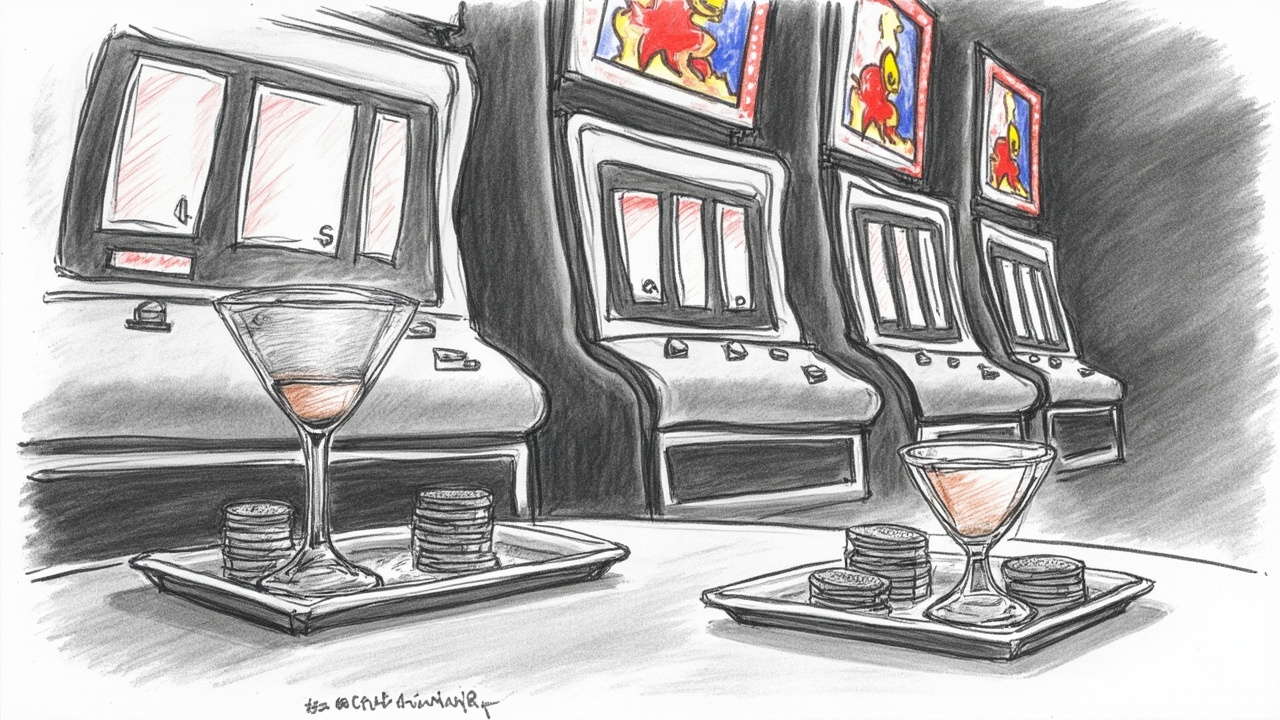
Variance is the spread between the expected long-term return and what actually happens during a real session. A low-variance pokie tends to pay smaller amounts more frequently, so the balance moves in gentle waves rather than sudden jumps. A high-variance pokie holds back longer, then delivers fewer but larger hits, which can feel great when it lands and rough when it does not. From a producing standpoint, I have greenlit both styles because they serve different player moods, and the math behind each one is deliberately tuned to a specific rhythm rather than a single headline number. Techau
That rhythm matters more than most marketing copy admits. If you are playing with a modest stake and want the session to feel alive without chewing through credits too quickly, a lower-variance title usually fits better. If you are comfortable sitting through dry patches in exchange for a shot at a bigger payout, the higher-variance end of the shelf is where you look. The key judgement call is matching the machine’s payout pattern to the size of your bankroll, because a mismatch is what turns a normal dry run into a session that feels out of control.
You can hear that mismatch in a regular conversation. Two mates are sitting over a flat white at a local café, talking about a session that went sideways. One says he picked a machine because the theme looked sharp and the top prize looked huge, then wondered why the balance dropped so fast. The other points out that the game was built for patience, not for constant action, and that the payout pattern was always going to be lumpy. They both agree the lesson is simple: pick the variance that matches the way you actually want to play, not the way an ad makes it look.
That same thinking carries over to the floor at a local club, where the machines are spread across different payout styles and the signage rarely explains the difference. A punter who understands the spread can choose a game that suits a longer afternoon session rather than one that burns through credits in a few fast minutes. It is not about predicting outcomes, because the results are still random and independent, but about choosing a ride that fits the bankroll and the mood.
- Canberra punters often pick machines with a steadier payout pattern when they are planning a longer social session rather than a quick visit.
- The same logic applies on a quiet weekday arvo, when the pace of the room is slower and the goal is to keep the balance comfortable for the full stretch.
- A machine that pays often in small amounts can feel more forgiving during a long session, even when the headline return looks similar to another title.
What That Means for Your Bankroll and Session Plan
The practical side is where variance stops being theory and starts affecting decisions. A higher-variance game asks for more patience and a larger buffer, because the gaps between meaningful hits can stretch longer than most casual sessions expect. A lower-variance game usually asks for smaller stakes and a calmer pace, since the frequent small returns can make the session feel busy without necessarily stretching the balance as quickly. Either way, the return figure alone does not tell the whole story, and the spread around that figure is what determines how the session feels minute to minute.
This is where a producer’s eye matters. When I have reviewed game math sets, the question was never just what the return was, but how the payouts were distributed across a realistic session. A title that pays in tight, regular amounts can suit a punter who wants constant feedback, while a title that saves up for less frequent hits suits someone chasing a bigger moment and willing to sit through the quiet. The right call depends on the player, not on which style sounds more exciting in a trailer.
Session planning follows from that. If you know you are playing a higher-variance machine, it helps to set a stake and a stop point that can absorb a dry patch without turning into a chase. If you are playing a steadier machine, the focus is usually on keeping the pace measured so the frequent small wins do not trick you into thinking the balance is growing faster than it is. None of that guarantees a result, and it certainly does not make any session risk-free, but it does make the experience easier to manage.
A sensible plan also means checking the practical setup before you commit to a session. Mobile usability matters more than people admit, because a clunky interface or a slow-loading lobby can make a patient session feel like work. A browser or app experience that responds quickly, keeps navigation simple, and loads games without fuss is a genuine fit for the kind of play where you are watching the balance and pacing yourself. If the mobile side is awkward, even a well-chosen variance profile becomes harder to enjoy.
- A mobile-first setup should keep the lobby, bet controls, and balance visible without making you hunt through menus on a small screen.
- Responsiveness matters on the bus ride home or during a break between games, when you are not sitting at a desk and want the session to feel natural on a phone. https://spinago-legal-australia.com/
- Performance and navigation are not glamour features, but they decide whether a session stays comfortable or turns into a fight with the interface.
Picking a Variance Profile That Fits the Way You Play
The useful question is not which variance style is better in the abstract, but which one suits the way you actually want to spend an hour or two. A punter who likes regular feedback and a steadier feel usually does better with a lower-variance pokie, especially when the goal is to keep the session social and relaxed. A punter who is comfortable with longer quiet patches and is hoping for a bigger hit will usually prefer the higher-variance end, provided the bankroll can handle the slower rhythm. Neither choice is wrong, and neither one turns into a promise of a win.
That choice is easier when the operator presents the games in a way that makes the style obvious rather than hiding it behind bright artwork and vague promises. Registration and payments should be straightforward, the currency should be clear, and the bonus mechanics should not muddy the water by changing the feel of the base game in ways that are hard to follow. Loyalty perks can be a nice addition, but they should not be the main reason to pick a machine with the wrong payout pattern for your session. The point is to match the game to the player, not to sell a vibe and hope the math sorts itself out.
Support and transparency matter here too. When a player asks a fair question about how a game feels to play, the answer should be practical and honest rather than wrapped in hype. That is the kind of setup that makes variance easier to understand in practice, because the operator is not pretending every title plays the same way. If you want to compare timing against notes on local casino review pages, where slow transfers get flagged fast, you start to see why the practical setup matters as much as the game choice itself.
- Clear currency and payment details help you plan a session without guessing at conversion or timing.
- Straightforward registration and support make it easier to focus on the game instead of the admin.
- Loyalty and bonus mechanics should complement the session, not distract from the variance profile you picked in the first place.
FAQ
How do I tell whether a pokie is low or high variance?
You usually cannot tell from the artwork alone, but the payout pattern gives it away once you watch how the balance moves during a session. A steadier machine tends to give smaller returns more often, while a lumpier one holds back longer and pays less frequently but in larger amounts. The return figure is only part of the picture, because two games with similar returns can feel completely different in practice.
Does understanding variance improve my chances of winning?
No, because the outcomes are still random and the return is a long-term figure rather than a session guarantee. What understanding variance does is help you pick a game that suits your bankroll and your patience, so the session feels more manageable and less likely to turn into a chase. It is a planning tool, not a way to tilt the maths in your favour.
What should I look for if I want a steadier session?
Look for a game that suits smaller stakes and a calmer pace, with a payout pattern that gives regular feedback instead of long dry patches. A mobile setup that is quick and easy to navigate helps as well, because a clunky interface can make even a sensible session feel frustrating. The goal is comfort and control, not a promise of a particular result.