You’ve seen the ads, the forums, and the mate at the local club swearing by a chart that promises to tilt the odds back in your favour. Most of the time, those systems don’t work, and they waste hours that could go toward a proper session with a clear stop-loss and a game you actually enjoy. I’ve spent years around supplier launches and operator deals, and the pattern is always the same: players chase a mechanical edge that the maths simply doesn’t support. Below, I’m breaking down what’s really happening when a system gets pushed hard, and where you should actually spend your attention.
Instead of chasing ghosts, you need a strategy that respects the market’s randomness and your own psychology. You can find a breakdown of why most indicators fail at this honest trading review, which cuts through the noise. Ultimately, preserving your capital matters far more than trying to predict every single move.
The maths behind a broken edge
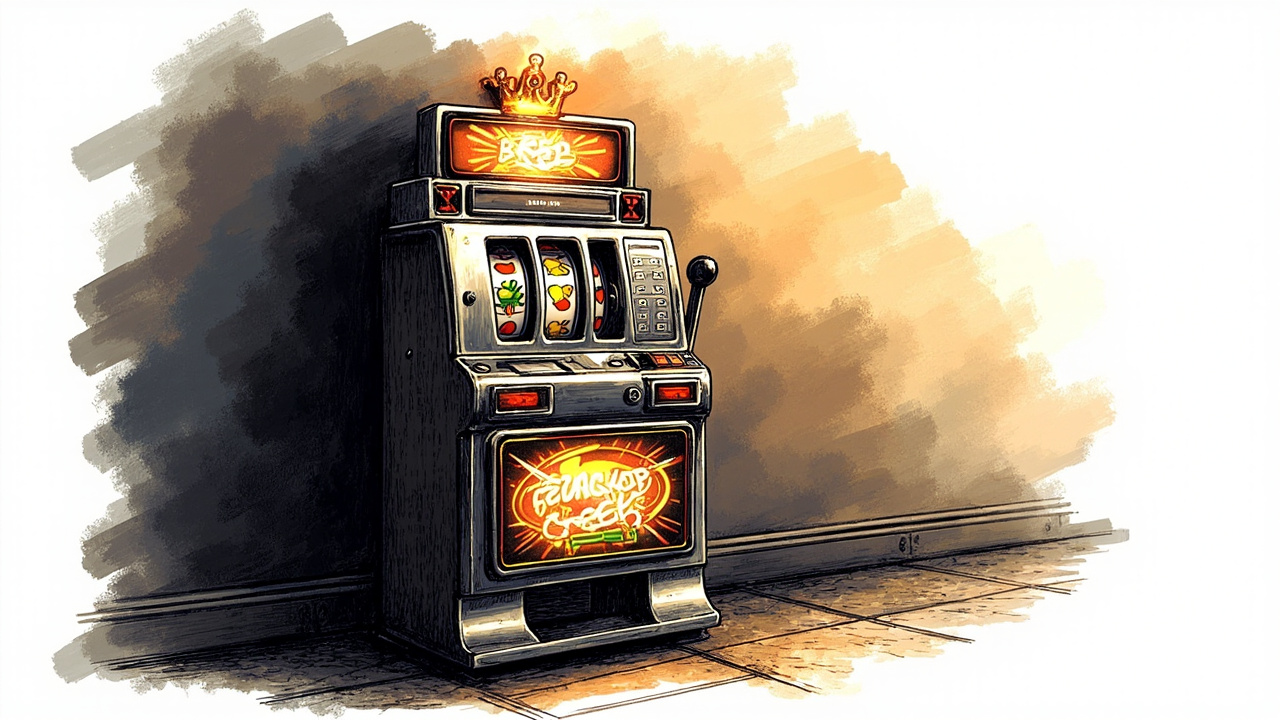
The core problem with pokies systems that don’t work is that they treat a random number generator like a clockwork machine. Each spin is independent, the return-to-player percentage is set over millions of plays, and no betting progression changes the underlying probability. You can flat-bet, you can chase losses with a step-up pattern, or you can switch games after a dry run – none of that shifts the house edge on a legitimate title. I’ve seen launch decks from supplier teams that look slick as anything, but the commercial reality is always about volume, volatility, and session length, not about teaching players a secret sequence. When a system claims otherwise, it’s usually selling you a story, not a strategy.
What a proper game lobby should do instead
A lobby that actually serves players doesn’t need a system to prop it up. The catalog should be organised so you can find what you want without clicking through half a dozen filters that don’t lead anywhere. A solid mix of slots, a few table options, and some live content from known providers makes a difference because it keeps the session varied without forcing you into titles you don’t recognise. Search should work, discovery should make sense, and the lobby shouldn’t bury newer releases under a wall of stale thumbnails. I’ve reviewed enough supplier packages to know that a clean lobby is often more valuable than a flashy bonus, because it lets you stick to a game plan instead of wandering.
“You don’t need a miracle, you need a lobby that lets you pick a game and stick to it,” said a Melbourne-based supplier liaison I spoke with during a recent launch review. “When the mix is solid and the search actually works, players stop hunting for a system that doesn’t work and start managing their session properly.”
That kind of setup matters more than any betting pattern, and it’s the sort of thing you notice in a busy country-town club on a Friday arvo when the machines are humming and people are actually enjoying the session rather than chasing a ghost. Couriermail
Bonus mechanics and the fine print
Bonuses get marketed like they’re a shortcut, but the terms usually dictate whether they help or just slow you down. A reasonable welcome offer should have wagering that you can actually work through, a clear currency, and payment options that don’t turn a simple withdrawal into a paperwork exercise. Registration should be straightforward, mobile play shouldn’t feel like a compromise, and support should respond without making you jump through hoops. I’ve seen operator deals where the bonus looked generous on paper but the rollover and game weighting made it a chore, and that’s where players start looking for pokies systems that don’t work in the first place. Loyalty should reward regular play, not trap you in a tier you can’t meaningfully reach.
Where Melbourne players actually get value
If you’re playing around Melbourne, the real value comes from a setup that respects your time and your bankroll, not from a system that promises the impossible. A local operator with a proper licence, a sensible lobby, and payment options that match your habits is worth more than any progression chart. I’ve covered supplier launches where the commercial positioning was sharp, but the player experience only made sense when the lobby, the bonus terms, and the support all lined up. That’s the kind of operator-ready strategy that actually holds up, and it’s the same standard I’d apply to any site I’d put on a shortlist like by staycasino.
A straight verdict for regular players
If you’re after a session you can manage, skip the systems and focus on the lobby, the terms, and the game mix. A clean catalog, sensible bonus mechanics, and support that answers when you need it will do more for your play than any pattern that claims to bend the odds. I’ve seen enough supplier launches and operator deals to know that the products that last are the ones that respect the maths and give players a proper way to choose. Treat every session like a budget, pick a game you understand, and walk away when the plan says to.