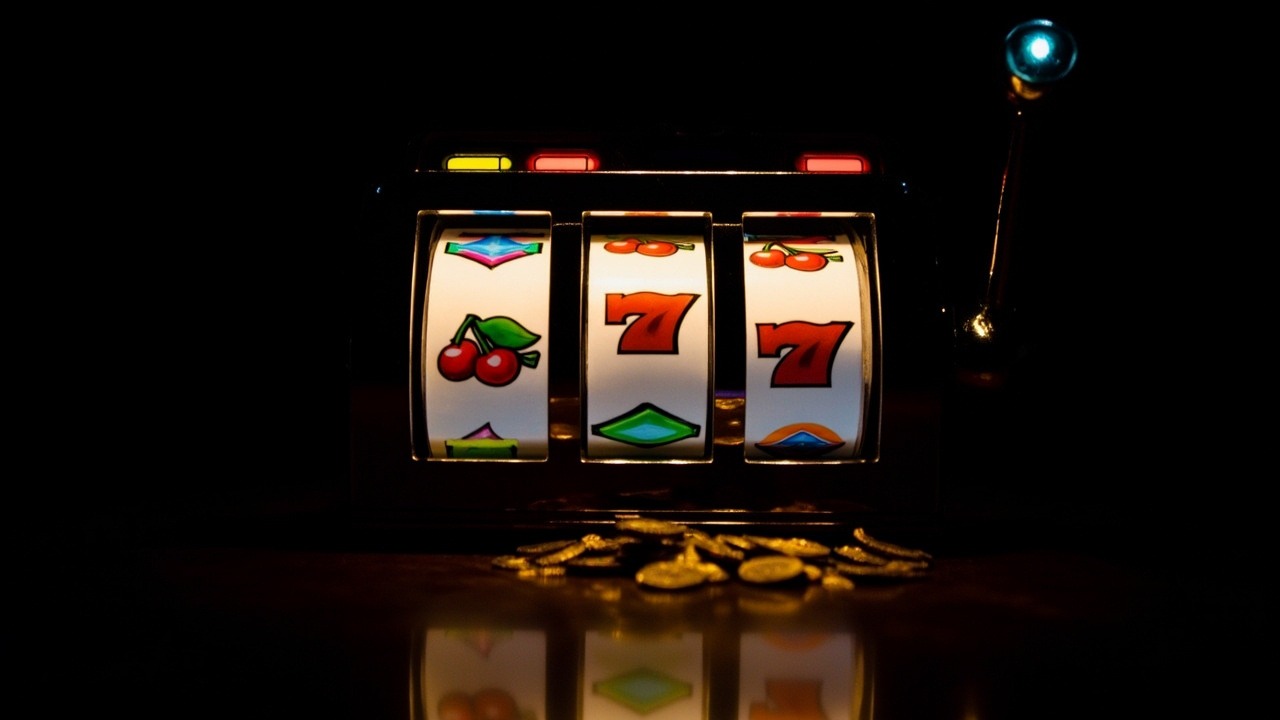
The old Belmont Hotel in Potts Point still smells of stale beer and machine heat at 11pm on a Tuesday. A bloke sits alone at the pokies, feeding notes into the tray while the room hums around him. He has never touched a real card table in his life, and the idea of moving online feels like stepping into a different country without a passport. Some operators run a licensed gambling house with live tables, which sounds proper until you work out what that actually means for a regular punter.
Moving from the pub floor to a screen changes the whole rhythm of the game. You still want the same fix, but the mechanics sit behind a browser instead of a metal cabinet. A mate who spent twenty years building commercial search strategies and advising investors on competitive retail sectors knows that the difference between a tidy setup and a messy one usually comes down to how the pieces are arranged behind the scenes. He has watched enough ecommerce platforms and technical audits to spot a sloppy operation from a mile away, and the same eye applies when you are weighing up where to put your first deposit.
What The Licence Actually Covers
A proper licence is not a badge you slap on a homepage and forget about. It tells you which jurisdiction signed off on the operation, what complaints process exists, and whether the operator has to keep player funds separate from the business account. You should be able to find the licence number, the issuing body, and a way to verify it without digging through three different pages. If the site makes you hunt for that information, treat it like a warning light on the dash.
The live table side adds another layer, because you are not just spinning reels anymore. A dealer runs the round, the cards or wheels are streamed, and the software has to match what you see on the feed. A clean setup will show you the shuffle, the cut, and the hand clearly enough that you can follow the action without squinting at a postage stamp. When you are judging a platform, look for the same kind of transparency you would demand from a supplier before you sign a commercial contract.
How Pub Pokies Differ From Online Play
The local RSL in Marrickville runs a row of machines that clatter and flash while the bingo caller works the mic on a wet Thursday night. You hear the coins drop, you feel the vibration through the floor, and you lose track of time because the room keeps pulling you back in. Online play strips away the noise and the physical ritual, which sounds quieter but actually changes how you pace yourself. The machine still takes your money, but the cues that told you to stop or keep going are gone.
A pub pokie regular who sits down at a screen for the first time often misses the social brake that the venue used to provide. Someone would nudge you, the bartender would call last orders, and the whole room had a rough rhythm that kept things in check. Online, you are staring at a flat panel in your own lounge, and the only thing telling you to walk away is your own discipline. That shift matters more than the graphics or the bonus offers, because it changes the way you measure a session.
Reading The Live Table Setup
A live table should feel like a real room, not a cartoon of one. You want a dealer who speaks clearly, a camera angle that shows the whole felt, and a chat function that actually connects you to a human instead of a canned response. The stream needs to stay stable when the table gets busy, because a frozen screen during a card round is the online equivalent of the dealer dropping the shoe on a Saturday night. If the feed stutters, walk away and find somewhere else.
The software layer underneath has to handle the bets, the payouts, and the timing without lagging behind the physical action. A platform that gets this wrong will show you a winning hand and then stall while the system catches up, which is as chaotic as the Bunnings sausage sizzle queue at midday on a Saturday. You can test this in your first session by watching how fast the round closes after the last card lands, and by checking whether the displayed result matches what the dealer calls. A tidy operation will close that gap in a second or two, not ten. gaminator book of ra
Picking A Platform That Fits
Start by writing down what you actually want from the session, because a bloke who just wants a quiet card game does not need the same setup as someone chasing a fast-paced wheel. Check the table limits, the minimum and maximum bets, and whether the dealer speaks at a pace you can follow. A platform that suits a first-timer will offer lower stakes and a slower rhythm, which gives you room to learn the flow without burning through a deposit in ten minutes.
Look at the payment options and the timeframes they quote, because a smooth deposit means nothing if the withdrawal sits in a queue for days. Read the terms on bonuses carefully, since a flashy offer often comes with a rollover that turns a small win into a locked-up balance. If you want a side spin on a familiar fruit machine, you might head to a page like the gaminator book of ra for a different flavour of the same habit. The point is to match the tool to the habit, not to chase a shiny feature that does not fit how you play.
Checking The Odds And The Limits
A totalisator is a long way from a card table, but the principle of a transparent mechanical system still matters when you are judging a platform. Australia pioneered the automatic totalisator, invented by George Julius in 1913, and that same urge to see how the machine works should carry over to how you read a live table. You want to know the house edge on the game you are sitting at, the rules that govern the dealer, and whether the software has been checked by a third party. A platform that hides those details is asking you to trust a black box.
Set a hard limit before you log in, and treat it like a budget you would not break at the supermarket. Say you deposit fifty dollars and you decide that the session ends when that money is gone or when you have hit a target you set in advance. Write the number down, put it on the desk, and do not let the stream hypnotise you into chasing a round that has already turned. A disciplined player treats the limit as a rule, not as a suggestion that bends when the cards go cold.
Staying In Control Online
The move from a physical venue to a screen removes a few of the natural brakes that kept a night at the pokies from running away. You do not have the bartender cutting you off, the friend tapping your shoulder, or the walk home that cools things down. You have to build your own stops, which means setting a timer, closing the tab when the session ends, and not opening it again until the next planned run. A bloke who treats online play like a pub session without the pub walls usually lasts longer and loses less.
If the pace starts to feel wrong, step back and look at the whole setup rather than the next hand. A good platform will let you slow down, lower the stakes, or switch to a table with a different rhythm without making you feel like you are breaking a rule. A bad one will nudge you toward faster games and bigger bets the moment you sit down, which is the online version of a floor that pushes you toward the busiest machines. Trust your own pace, and do not let a stream dictate it for you.
- Can I tell if a live table is running fairly?
Yes, if the stream shows the dealer, the cards, and the wheel clearly, and the result on screen matches what the dealer calls. - What should I check before my first deposit?
The licence details, the table limits, the payment timeframes, and the bonus terms, all in writing. - How do I keep a first session from running away?
Set a hard loss limit and a time limit before you log in, and close the tab when either one is hit. Smartcompany
The right setup for a first-timer is a clean licence, a stable live stream, and a table that runs at a pace you can actually follow. Anything that hides the rules, rushes the rounds, or pushes you toward bigger bets is not worth the deposit. Pick the platform that lets you play your own game, and walk away the moment it stops feeling like your game. Exploroz